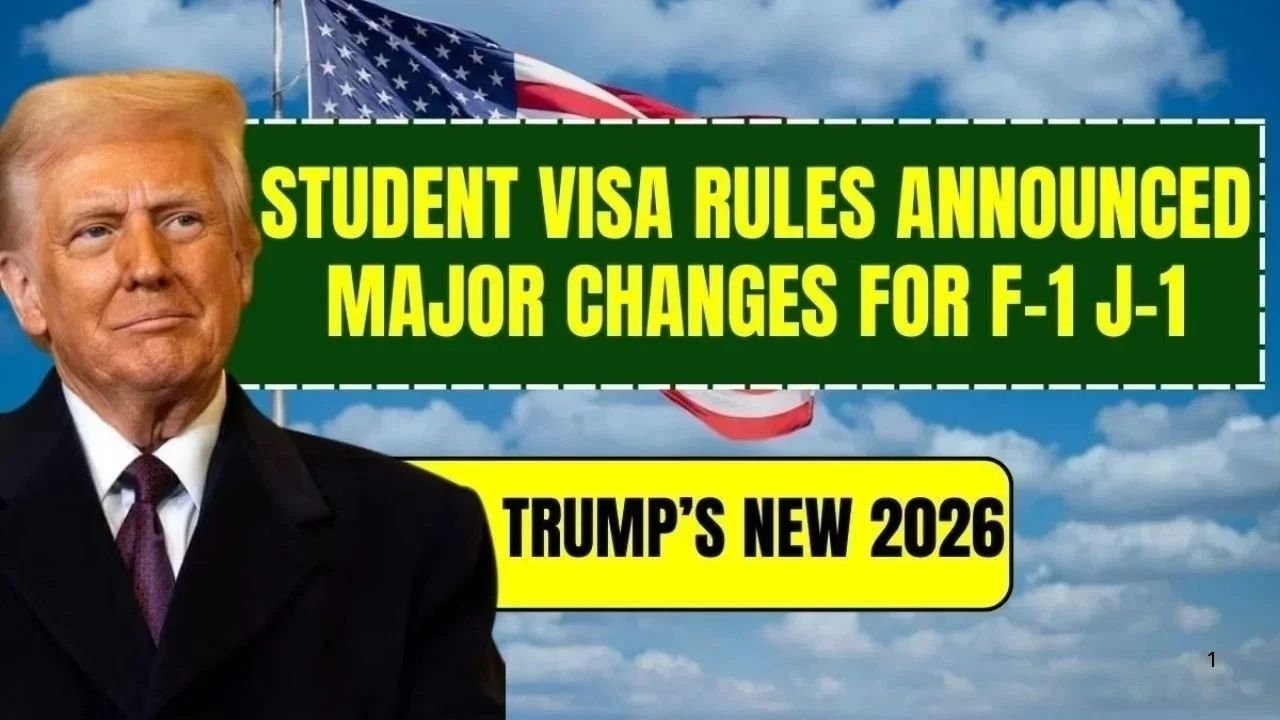
For decades, the United States has stood at the center of global higher education, drawing international students with its elite universities, research leadership, and strong post-study career pathways. Yet access to U.S. education has always been shaped by immigration policy. With new student visa regulations set to take effect in 2026 under President Trump, international students are preparing for a system that is more structured, closely monitored, and compliance-driven.
The updated rules introduce tighter timelines, expanded oversight, and higher accountability standards for F-1, J-1, and M-1 visa holders. While the administration positions these reforms as necessary to protect the integrity of the visa system, students and institutions worldwide are carefully evaluating how the changes may influence academic planning, work opportunities, and long-term mobility.
Why the 2026 Student Visa Reforms Were Introduced
The 2026 student visa reforms align with the Trump administration’s broader immigration strategy, which emphasizes enforcement, transparency, and reduced misuse of temporary visa categories. Officials have reiterated that international students remain welcome, but visas must be used strictly for their intended educational or cultural exchange purposes.
Policy statements cite concerns about visa overstays, unauthorized employment, repeated extensions without academic progress, and the use of student visas as indirect immigration pathways. The new framework is designed to encourage timely degree completion, measurable academic outcomes, and clear transitions after studies conclude. National security considerations and alignment with domestic workforce priorities have also influenced the reforms.
F-1 Visa Changes in 2026: What Academic Students Should Expect
The F-1 visa, used by the majority of international students pursuing academic degrees, is the primary focus of the new rules. One of the most significant changes is stricter enforcement of standard program timelines. Students are expected to complete their degrees within normal durations, with fewer extensions approved for repeated coursework, frequent major changes, or prolonged enrollment.
Increased Academic Monitoring

Universities will be required to report enrollment status, course loads, and academic progress more frequently. Maintaining full-time enrollment and satisfactory academic standing will be monitored more closely. Falling below requirements may result in faster reviews of visa status and reduced grace periods for corrective action.
Tighter Oversight of Work Authorization
Employment benefits such as Optional Practical Training (OPT) and on-campus work will remain available, but under enhanced supervision. Students must clearly demonstrate that any authorized employment directly relates to their field of study and supports defined educational objectives. Additional documentation, audits, and compliance checks are expected.
J-1 Visa Updates: Renewed Emphasis on Cultural Exchange
The J-1 visa, which covers exchange students, researchers, scholars, and interns, is being refocused on its original mission of cultural and educational exchange rather than long-term stay opportunities.
Stricter Enforcement of the Home Residency Requirement

A key element of the 2026 update is stronger enforcement of the two-year home residency requirement for certain J-1 participants. This rule requires individuals to return to their home country for at least two years before becoming eligible for specific U.S. visas or permanent residency.
Reduced Flexibility for Waivers
Waivers that previously allowed some J-1 holders to remain in the U.S. or transition to other visa categories are expected to become harder to obtain. The policy intent is to prevent exchange programs from functioning as alternative immigration routes rather than temporary experiences.
Higher Standards for Program Sponsors
Sponsoring organizations will face expanded compliance responsibilities, including more detailed reporting and closer participant oversight. J-1 students and scholars should expect increased documentation requests and more frequent status reviews.
M-1 Visa Rules Tighten for Vocational and Technical Students
Students enrolled in vocational or technical programs under the M-1 visa are likely to experience some of the strictest changes. The revised rules reinforce that M-1 programs are intended to be short-term, skills-focused, and non-academic.
Limited Program Flexibility
Extensions, transfers between institutions, and program changes may become significantly more difficult. Choosing the right school and course at the outset will be critical, as the reforms emphasize timely completion and prompt departure after training concludes.
What the New Rules Mean for Future Applicants
Students applying for U.S. study visas in 2026 and beyond will need to approach the process with greater precision and preparation. Visa interviews are expected to include more detailed questions about academic intent, career objectives, and long-term ties to the home country.
Clear study plans, consistent documentation, strong financial evidence, and realistic academic timelines will carry increased importance. While the application process itself remains familiar, scrutiny will be higher, and even minor inconsistencies may result in delays or denials.
Impact on Current International Students
For students already studying in the United States, the new rules do not indicate immediate loss of status. However, the compliance environment will become more demanding over time.
Maintaining full-time enrollment, avoiding unauthorized employment, meeting reporting deadlines, and adhering to approved academic timelines will be essential. Students who previously relied on flexible schedules or reduced course loads may need to reassess their academic strategies.
How U.S. Universities Are Responding
Universities play a central role in enforcing visa regulations, and many institutions are preparing for expanded reporting and monitoring obligations. International student offices are investing in upgraded compliance systems, enhanced advising services, and more proactive communication.
Some institutions have expressed concern that tighter policies could impact the U.S.’s competitiveness in attracting global talent. Others believe that clearer, more predictable rules may ultimately benefit students by reducing uncertainty and setting transparent expectations from the beginning.
Emotional and Practical Challenges for Students
Beyond regulatory changes, the emotional impact of increased scrutiny is significant. International students often balance academic pressure, financial commitments, and cultural adjustment. Heightened monitoring can add stress to an already demanding experience.
For many students, studying in the U.S. represents years of preparation and substantial personal investment. Access to accurate information, strong institutional support, and careful planning will be essential during this transition.
How Students Can Stay Prepared
Preparation begins with awareness and consistency. Students should remain in close contact with international advisors, monitor official government updates, and treat visa compliance as an ongoing responsibility rather than a one-time requirement.
Planning realistic academic timelines, maintaining accurate records, understanding employment limits, and avoiding unnecessary delays can significantly reduce risk. In a more structured system, proactive and well-informed students will be best positioned to succeed.
Conclusion: A New Era for U.S. Student Visas
Trump’s 2026 student visa rules mark a clear shift in how the United States manages international education. With tighter timelines, enhanced oversight, and a renewed emphasis on compliance, opportunities remain available, but expectations are higher.
For students who plan strategically, follow regulations closely, and align academic goals with visa requirements, the United States continues to offer world-class education and global exposure. Understanding these changes early allows international students to move forward with clarity, confidence, and purpose in an evolving immigration landscape.